


Energy Management and Decarbonization in Manufacturing: Driving Efficiency and Sustainability (July 2025)
- Adriana Gutierrez, Digital Media Producer

- 17 jul 2025
- 4 Min. de lectura
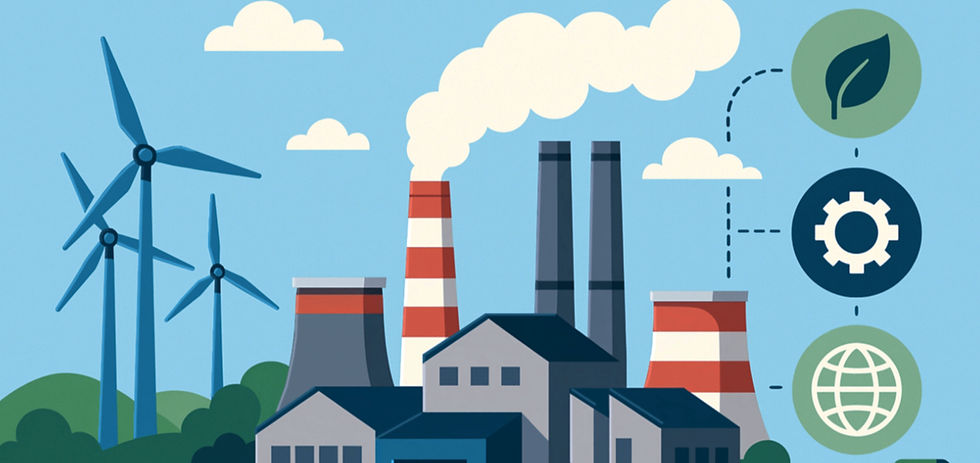
For manufacturers globally, energy is both a fundamental necessity and a significant challenge. It's a primary operational cost and a major contributor to environmental impact. However, in June 2025, the narrative is shifting from a passive acceptance of energy consumption to a proactive pursuit of advanced energy management and decarbonization strategies. This isn't just about corporate social responsibility; it's about enhancing operational efficiency, building resilience, and securing a competitive edge in a rapidly evolving global market.
The Imperative for Change: Costs, Compliance, and Climate
Manufacturers face increasing pressure from multiple directions to optimize their energy footprint:
Rising Energy Costs: Volatile global energy markets continue to drive up operational expenses, directly impacting profitability. Efficient energy use offers a direct pathway to cost reduction (Deloitte, Decarbonizing Manufacturing: A roadmap for industrial companies, May 2025).
Stricter Regulations and Compliance: Governments and international bodies are implementing more stringent environmental regulations, carbon pricing mechanisms, and sustainability reporting requirements. Proactive decarbonization helps companies meet these obligations and avoid penalties (International Energy Agency, Energy Efficiency 2024, October 2024).
Investor and Consumer Demand: There's growing pressure from investors, customers, and the public for companies to demonstrate genuine commitment to environmental stewardship. A strong sustainability profile can enhance brand reputation, attract investment, and open new market opportunities.
Smart Energy Management: The Foundation for Efficiency
The first step towards decarbonization is intelligent energy management. Modern manufacturers are deploying smart technologies to gain unprecedented visibility and control over their energy consumption:
Real-Time Energy Monitoring: Implementing IoT-enabled sensors and smart meters across facilities allows manufacturers to collect granular, real-time data on energy use by specific machines, processes, and departments. This granular data helps identify inefficiencies, peak consumption patterns, and energy waste (Honeywell, Industrial IoT Trends for 2025, May 2025).
Data Analytics and AI Integration: Advanced analytics platforms, often powered by artificial intelligence, process this vast amount of energy data. They can predict energy demand, identify anomalies, recommend optimal operating schedules, and even suggest maintenance for energy-intensive equipment before failures occur. This transforms reactive energy management into a proactive, predictive process (Capgemini Research Institute, The Journey to Net Zero: Decarbonization in Manufacturing, 2023).
Automated Control Systems: Integrating energy data with facility management and production systems enables automated adjustments to lighting, HVAC, machinery power states, and process parameters based on real-time conditions, ensuring energy is consumed only when and where it's truly needed.
Decarbonization Pathways: Strategic Approaches for Manufacturers
Beyond optimizing current energy use, manufacturers are actively pursuing strategies to transition away from carbon-intensive operations:
Transition to Renewable Energy Sources:
On-site Generation: Installing solar panels (photovoltaic and concentrated solar power) on factory rooftops or adjacent land, or even small-scale wind turbines, can directly power operations and reduce reliance on grid electricity, especially for manufacturers with significant land availability (UNIDO, Industrial Decarbonization: A Pathway to Net Zero, 2024).
Off-site Procurement: For those without space for on-site generation, purchasing renewable energy directly from utility providers, entering into Power Purchase Agreements (PPAs) with renewable energy developers, or acquiring renewable energy certificates are increasingly common strategies to source cleaner power (Deloitte, Decarbonizing Manufacturing: A roadmap for industrial companies, May 2025).
Process Optimization and Electrification:
Energy-Efficient Equipment: Investing in next-generation machinery, motors, and lighting (e.g., LED) that consume significantly less energy for the same output. This is a continuous improvement area with rapid returns.
Electrification of Industrial Processes: Shifting away from fossil fuels for process heat (e.g., boilers, furnaces) towards electric alternatives powered by renewable electricity. While challenging for high-temperature processes, advancements in electric heating, heat pumps, and electric steam generation are making this more feasible for a growing range of applications (International Energy Agency, Energy Efficiency 2024, October 2024).
Waste Heat Recovery:
Industrial processes often generate substantial amounts of waste heat. Technologies that capture this waste heat and repurpose it for other processes (e.g., preheating incoming materials, generating electricity, space heating) can dramatically improve overall energy efficiency and reduce the need for primary energy inputs (UNIDO, Industrial Decarbonization: A Pathway to Net Zero, 2024).
Carbon Capture, Utilization, and Storage (CCUS):
For hard-to-abate sectors with unavoidable process emissions (like cement or steel production), CCUS technologies are being explored and deployed to capture CO2 before it enters the atmosphere. The captured carbon can then be stored permanently or utilized in other industrial processes (Deloitte, Decarbonizing Manufacturing: A roadmap for industrial companies, May 2025). While still developing, it's a critical long-term solution for specific heavy industries.
Benefits Beyond the Balance Sheet
Implementing robust energy management and decarbonization strategies delivers multiple advantages:
Cost Savings: Reduced energy consumption directly lowers operating expenses.
Enhanced Resilience: Less reliance on volatile fossil fuel markets and diversified energy sources improve operational stability.
Improved Brand Reputation: Demonstrating environmental leadership can attract environmentally conscious customers and investors.
Regulatory Compliance: Proactive measures ensure adherence to evolving environmental laws and avoid potential penalties.
Innovation and Competitive Advantage: Driving energy innovation can lead to new technologies, products, and processes that differentiate a company in the market.
Conclusion
As of July 2025, energy management and decarbonization are no longer niche sustainability topics; they are core strategic pillars for manufacturing excellence. By embracing smart energy technologies, investing in renewable solutions, optimizing processes, and exploring advanced carbon reduction methods, manufacturers can achieve a powerful trifecta: significant cost savings, enhanced operational resilience, and a substantial contribution to global sustainability goals. This proactive approach ensures that the factories of the future are not only efficient and profitable but also environmentally responsible stewards of the planet's resources.